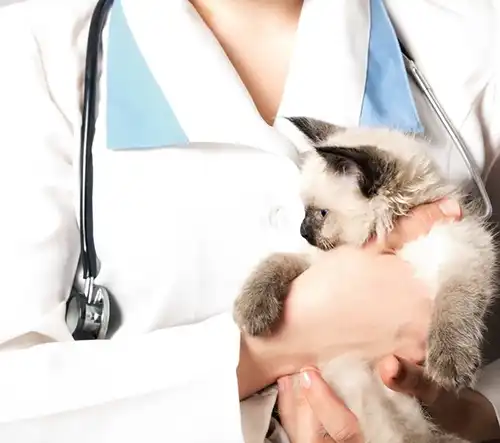


Have you noticed your furry friend slowing down a bit or needing a little extra help these days? At Animal Care Clinic, your trusted Lexington, KY veterinary clinic, we understand how important senior pet care in Lexington, K, Y is for keeping your beloved companion comfortable and happy in their golden years. Aging is a natural part of life, but with the right care, your pet can continue to enjoy a full and meaningful life.
As pets grow older, their needs change. From aging dog health care to senior cat wellness tips, providing thoughtful support and regular geriatric pet exams can make a big difference. In this guide, you will learn how to care for your aging companion and support their health every step of the way in Fayette County, KY.
When Is a Pet Considered a Senior?
Pets are generally considered seniors as they reach the later stages of their lifespans, though this can vary by species and size.
Big dogs tend to become seniors a bit earlier, while the little guys often stay spry for longer. Our feline friends usually take their time before joining the senior club, but you’ll still notice some changes as they age.
Spotting when your pet is entering their golden years means you can tweak their care and stay ahead of any health hiccups.
Common Changes in Senior Pets
As your furry best friend gets older, you might spot some changes in how they act or move. Most of these are just part of the aging process, but sometimes they’re your pet’s way of asking for a little extra help.
Decreased Energy and Mobility
You might notice your dog or cat isn’t quite as quick to jump up for dinner or chase after toys. Stiff joints and slower movements are pretty common, especially if arthritis is joining the party.
The good news? With the right care, we can help keep those creaky joints comfy and your pet moving as smoothly as possible.
Changes in Appetite and Weight
Older pets can get a little finicky with their food, or sometimes they pack on a few extra pounds because they’re not as active as they used to be.
Monitoring these changes and discussing them with your veterinary clinic in Lexington, KY, helps keep your pet on track.
Behavioral Changes
You might find your pet is a little more talkative, extra snuggly, or maybe keeping to themselves more than usual. Sometimes it’s just age talking, but it can also be a sign that something else is going on.
Catching these changes early means we can jump in and help before things get too tricky.
The Importance of Geriatric Pet Exams
Those regular vet visits become even more important as your pet gets older. Senior checkups help us keep a close eye on your furry friend and catch any changes before they become big problems.
During these visits, your veterinarian evaluates your pet’s weight, mobility, dental health, and organ function. These exams often include diagnostic testing to provide a more complete picture.
Here at Animal Care Clinic, we use these checkups to create a care plan that fits your pet’s changing needs—because every senior pet is one of a kind.
Supporting Aging Dog Health Care
Helping your senior pup feel their best is all about making a few simple tweaks to keep them comfy and moving well.
A cozy, supportive bed can work wonders for achy joints, and gentle strolls around the block help keep those muscles in shape—no marathon training required.
Regular check-ins with your vet let us keep tabs on your dog’s health and make any necessary changes along the way.
Senior Cat Wellness Tips
Cats are masters of disguise when it comes to aging, so regular care is extra important for your whiskered friend.
Maintaining Routine
Your feline overlord loves a good routine. Keeping meals, playtime, and naps on schedule helps keep stress low and your kitty feeling their best.
Monitoring Subtle Changes
Little changes—like skipping grooming sessions, missing the litter box, or slowing down—can be your cat’s way of waving a tiny red flag. Regular vet visits help us catch these things early.
By teaming up with your vet and following a few senior cat tips, you’ll help your kitty stay comfy and healthy for years to come.
Managing Arthritis and Mobility Issues
Arthritis is one of the most common conditions affecting senior pets. It can impact your pet’s ability to move comfortably and enjoy daily activities.
Providing arthritis care pets need may include adjusting their environment, such as adding ramps or non-slip surfaces. These changes help reduce strain and prevent injury.
Your vet can also suggest other ways to help, tailored just for your pet’s unique needs.
Nutrition for Senior Pets
What your pet eats matters more than ever as they get older. Their nutritional needs can shift, so a few tweaks to their diet can help keep them at a healthy weight and full of pep.
Your veterinarian can help guide you in selecting appropriate food and feeding routines for your senior pet. Monitoring weight and body condition helps ensure your pet is receiving the right balance of nutrients.
Good nutrition supports everything from keeping joints healthy to supporting your pet’s immune system.
Emotional Well-Being and Quality of Life
Caring for a senior pet is not just about physical health. Emotional well-being is equally important.
Spending quality time with your furry pal, providing enrichment, and maintaining a consistent routine all contribute to a positive experience. Even small moments of interaction can make a big difference.
Your pet’s comfort and happiness are always at the top of the list, no matter their age.
PetMD has a blog on senior dog care, which you can read here. The FelineVMA has a wonderful and informative comprehensive guide on senior cat care, which you can access here.
FAQ: Senior Pet Care
How often should senior pets visit the vet?
Most senior pets do best with a vet visit at least twice a year. More frequent checkups help us catch any changes early and keep your furry friend feeling their best.
What are common health issues in senior pets?
Some of the usual suspects in senior pets are arthritis, dental troubles, and changes in organ health. Regular checkups help us spot these issues before they slow your pet down.
How can I help my pet with arthritis?
Providing a comfortable environment, gentle exercise, and veterinary guidance can help support pets with arthritis and improve mobility.
Do senior pets need different diets?
Yes, senior pets often benefit from diets tailored to their age and health needs. Your veterinarian can recommend appropriate nutrition based on your pet’s condition.
Visit Our Lexington, KY Veterinary Clinic for Senior Pet Care
Your senior pet deserves thoughtful, compassionate care as they age. At Animal Care Clinic, your trusted veterinary clinic in Lexington, KY, we provide dedicated senior pet care in Lexington, KY, to help your furry friend stay comfortable and happy.
If you have been searching for a “vet near me” to support your aging pet, our team is here for you. Contact Animal Care Clinic in Fayette County, KY today to schedule an appointment and give your pet the care they deserve.
This blog is intended for informational purposes only. Always consult with your veterinarian for guidance, diagnosis, and treatment tailored to your pet’s individual needs.
Want to read more about our top-notch Lexington, KY animal hospital? Check our Services page here for an overview of the services we offer. For instance, you can learn more about the wellness care and vaccinations that keep your pet healthy here. You can also find out more about our Wellness plans here.


!Social Media Icons