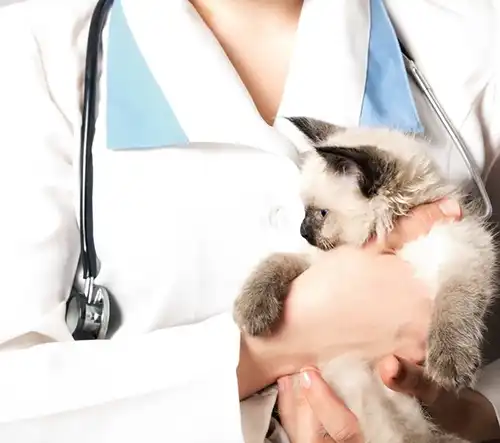


Have you been thinking about bringing home a gentle, curious bunny to join your family? At Animal Care Clinic, your trusted Lexington, KY veterinary clinic, we often guide pet owners through rabbit adoption in Lexington, KY, so they feel confident from day one. Rabbits can be wonderful companions, but they require thoughtful care, proper setup, and regular veterinary support.
Before you bring your new furry friend home, it is important to understand their needs. From bunny diet and housing to rabbit veterinary care, learning the essentials early will help you create a safe, happy environment for your bunny. This guide will walk you through tips for new rabbit owners to give your bunny the best possible start in Fayette County, KY.
Is a Rabbit the Right Fit for Your Home?
Rabbits have a reputation for being easy pets, but don’t let those twitchy noses fool you! Your bunny buddy is a smart, social critter who needs daily attention, interaction, and a steady routine to truly thrive.
Unlike your dog or cat, rabbits are prey animals, which means they can be a bit jumpy—literally! It may take your new friend some time to settle in and trust their surroundings. A calm home and gentle hands will help your bunny feel safe and start showing off their adorable personality.
Before committing to adopting a rabbit in Lexington, KY, consider your schedule, home environment, and ability to provide daily care.
Setting Up Bunny Diet and Housing
Creating the right environment is one of the most important steps in caring for your new companion. Proper bunny diet and housing directly affect your rabbit’s health and behavior.
Creating a Comfortable Living Space
Your rabbit needs more than just a tiny cage tucked in the corner. Bunnies love to stretch their legs, so give them a roomy enclosure or a rabbit-proofed area where they can hop, explore, and let their zoomies out.
Make sure your bunny’s space has a cozy spot for naps, a litter box, and plenty of safe things to chew on. Rabbits are natural explorers, so room to hop and stretch is a must for keeping both their bodies and brains happy.
A tidy bunny home is a healthy bunny home. Regular cleaning helps prevent illness and keeps your furry friend comfy and content.
Feeding Your Rabbit the Right Way
A proper diet is key to keeping your bunny healthy. Hay should make up the majority of your rabbit’s diet, as it supports digestion and helps maintain healthy teeth.
You can add fresh veggies to the menu every day, plus a small scoop of pellets for extra nutrition. And don’t forget—fresh water should always be on tap for your thirsty little friend.
Getting the hang of bunny diet and housing early on helps you dodge a lot of common health hiccups and sets your rabbit up for a long, happy life.
Understanding Rabbit Behavior
Rabbits have their own special language—no Rosetta Stone required! Learning what your bunny is trying to tell you helps you bond and spot any signs that something might be off.
Your bunny might thump their back feet if they’re startled, or do a joyful leap (called a binky) when they’re feeling extra happy. These little moves are your rabbit’s way of letting you know how they’re feeling.
The more time you spend with your rabbit, the more they’ll warm up to you. With a little patience, your furry pal might even start seeking you out for snuggles and playtime.
The Importance of Rabbit Veterinary Care
Regular vet visits are a must for keeping your bunny in tip-top shape. Rabbits need a little extra know-how, so it’s important to work with a vet who’s experienced with exotic pets here in Lexington.
At Animal Care Clinic in Lexington, KY, your veterinary team provides rabbit veterinary care tailored to your pet’s unique needs. Routine exams allow your veterinarian to check dental health, monitor weight, and assess overall condition.
Vet visits are also a great time to ask questions about your bunny’s behavior, diet, or anything else that’s got you scratching your head.
Common Health Concerns in Rabbits
Rabbits can run into a few health hiccups, but the good news is that many of these are preventable with the right care and a watchful eye.
Dental problems are one of the most common concerns. Because rabbit teeth grow continuously, they need proper wear from hay and chewing materials. Without this, overgrowth can cause discomfort and difficulty eating.
Digestive issues are another concern. A diet low in fiber or sudden dietary changes can disrupt your rabbit’s system.
Regular rabbit veterinary care helps catch these issues early and keeps your bunny feeling their best.
Daily Care and Routine
Establishing a daily routine helps your rabbit feel safe and secure. Consistency plays a big role in their overall well-being.
Make sure your bunny gets fresh food and water every day, plus a clean, comfy space to call their own. Don’t forget playtime—rabbits can get bored without a little daily fun and attention.
Sticking to a routine and offering fun enrichment activities keeps your bunny’s body and mind in tip-top shape.
Rabbit-Proofing Your Home
Rabbits are champion chewers, and if your home isn’t ready, they’ll find something to nibble—whether you want them to or not!
Electrical cords, furniture legs, and even your baseboards can look like tasty snacks to a curious bunny. Bunny-proofing these spots helps keep your rabbit safe and your home intact.
Offering plenty of safe chew toys gives your bunny something fun (and appropriate) to gnaw on, saving your furniture in the process.
Signs Your Rabbit Needs a Vet Visit
Rabbits are experts at hiding when they’re not feeling well, so even small changes can be a big deal.
If your bunny suddenly loses their appetite, seems less active, or you notice changes in their droppings, it’s time to give your vet a call. Keep an eye out for changes in posture or grooming, too.
Reaching out to an experienced exotic pet vet early can make all the difference for your rabbit’s health and happiness.
The Animal Humane Society has a blog on rabbit adoption, which is here. The Animal Humane Society has a blog on rabbit adoption, which is here.
FAQ: Rabbit Adoption and Care
What should I feed my rabbit?
Rabbits need a diet primarily made up of hay, along with fresh vegetables and a small amount of pellets. This combination supports digestion and dental health. Ask your vet for specific advice.
Do rabbits need regular vet visits?
Absolutely! Routine vet visits help catch health issues early and keep your bunny feeling their best.
Are rabbits good pets for beginners?
Rabbits can make wonderful companions, but they do need some special care. Learning the ropes and teaming up with a rabbit-savvy vet will set you and your new friend up for success.
How do I know if my rabbit is sick?
Watch for signs like a drop in appetite, changes in droppings, or odd behavior. Since rabbits are so good at hiding when they’re sick, it’s always best to check with your vet if something seems off.
Visit Our Lexington, KY Veterinary Clinic for Rabbit Care
Bringing a rabbit into your home is a rewarding experience when you have the right support. At Animal Care Clinic, your trusted veterinary clinic in Lexington, KY, we are here to guide you through rabbit adoption in Lexington, KY, and beyond.
If you have been searching for a “vet near me” who understands rabbits and exotic pets, our team is ready to help. Contact Animal Care Clinic in Fayette County, KY, today to schedule your rabbit’s first visit and give your furry friend the care they deserve.
This blog is intended for informational purposes only. Always consult with your veterinarian for guidance, diagnosis, and treatment tailored to your pet’s specific needs.
Want to learn more about our top-notch Lexington, KY animal hospital? Check our Services page here for an overview of the services we offer. For instance, you can learn more about the wellness care and vaccinations that keep your pet healthy here.


!Social Media Icons