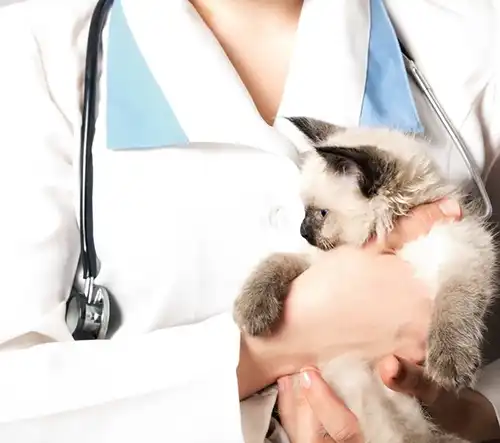


Is your canine companion expecting puppies? That’s an exciting time, but it can also come with a lot of questions. At Animal Care Clinic, your trusted Lexington, KY veterinary clinic, we guide pet owners through every step of pregnant dog care in Lexington, KY, so you can feel confident supporting your furry friend.
Understanding the stages of dog pregnancy and helping with proper canine prenatal care, your pup stays comfortable and healthy throughout the journey. Whether you are caring for a pregnant dog at home or preparing for delivery, this week-by-week guide will help you know what to expect and how to support your four-legged friend in Fayette County, KY.
How Long Is a Dog’s Pregnancy?
Before we jump into the week-by-week details, let’s talk timing. Most dogs are pregnant for about nine weeks—just long enough to keep you on your toes, but not so long that you’ll be waiting forever for those adorable puppies.
During those nine weeks, your canine pal will go through all sorts of changes—some you’ll notice, and some she’ll keep to herself. Each stage brings its own set of needs, so it’s important to stay tuned in to how she’s feeling and what she might need from you.
Regular check-ins with your vet are a must during pregnancy. We’ll help keep an eye on your pup’s progress and answer any questions you have along the way.
Week 1–2: Early Changes You May Not Notice
In the first couple of weeks, you might not notice anything different about your dog. She’ll probably act like her usual self, even though a lot is going on behind the scenes.
This is when everything begins, as fertilization and early puppy development start. Some dogs may eat a bit more or less, or seem a little tired, but most don’t yet show clear signs.
This is a great time to speak with your veterinarian about canine prenatal care and begin planning for the weeks ahead.
Week 3–4: Early Signs of Pregnancy
By the third and fourth weeks, you may begin to notice small changes in your dog’s behavior or physical condition.
Your canine companion might seem more tired or less interested in food. Some dogs experience mild nausea, similar to morning sickness.
Around this time, your veterinarian may be able to confirm pregnancy. Visiting a veterinary clinic in Lexington, KY, helps ensure everything is progressing as expected.
Week 5: Physical Changes Become More Noticeable
As pregnancy progresses, your dog’s body begins to change more visibly. Her abdomen may start to expand, and her appetite often increases.
This is when caring for a pregnant dog at home becomes especially important. Providing a balanced diet and a calm environment helps support your dog’s growing needs.
Your veterinarian may recommend adjustments to feeding routines based on your dog’s condition.
Week 6: Increased Nutritional Needs
During week six, your dog’s energy needs continue to rise. Puppies are developing rapidly, which means your pup requires additional nutrients.
You may notice your furry bestie eating more frequently. Offering smaller, more frequent meals can help keep her comfortable.
Monitoring weight and behavior during this stage is an important part of caring for a pregnant dog in Lexington, KY.
Week 7: Preparing for Birth
As your dog enters week seven, it is time to start preparing for delivery. This includes setting up a comfortable, quiet space where she can give birth.
Whelping preparation tips often include choosing a warm, low-traffic area and introducing your dog to it beforehand. This helps her feel safe and secure when the time comes.
Your veterinary clinic in Fayette County, KY, can provide additional guidance on creating a suitable whelping area.
Week 8: Final Preparations
By week eight, your dog may begin nesting behavior. She might rearrange bedding or seek out quiet spaces.
Her appetite may decrease slightly as delivery approaches. This is normal, but it is still important to monitor her closely.
Staying in touch with your veterinarian during this stage ensures you are ready for any changes or concerns.
Week 9: Delivery and What to Expect
In the final week, your dog is preparing to give birth. Signs of labor may include restlessness, panting, and a drop in body temperature.
Once labor begins, your dog will typically deliver puppies over several hours. While many dogs manage this process naturally, it is important to know when to seek help.
If you have any concerns, contacting your veterinary clinic in Lexington, KY, right away can provide peace of mind and support.
Caring for Your Dog After Delivery
After the puppies arrive, your dog will need time to recover. Providing a quiet, comfortable space helps her rest and bond with her litter.
Make sure she has access to fresh water and a balanced diet. Monitoring both your dog and her puppies is essential during this time.
Follow-up visits with your veterinarian help ensure both mom and puppies are doing well.
Signs You Should Contact Your Vet
While many pregnancies progress smoothly, it is important to recognize when veterinary care is needed.
Watch for signs such as prolonged labor, excessive lethargy, or refusal to eat. Unusual discharge or distress can also indicate a problem.
If anything seems off, reaching out to your veterinary clinic in Fayette County, KY, is always the best step.
The Spruce Pets has this article on caring for a pregnant dog. The AKC also has a piece on caring for a pregnant dog. Click here for that one.
FAQ: Caring for a Pregnant Dog
How long are dogs pregnant?
Dogs are typically pregnant for about nine weeks. This timeline can vary slightly depending on the individual dog and other factors.
What should I feed a pregnant dog?
A pregnant dog needs a balanced diet that supports her increased nutritional needs. Your veterinarian can recommend appropriate feeding guidelines based on your dog’s condition.
When should I prepare for whelping?
You should begin preparing for whelping around week seven. Setting up a quiet, comfortable space helps your dog feel secure when labor begins.
Do I need a vet during delivery?
Many dogs deliver without complications, but it is important to have a veterinarian available if needed. Contact your vet if you notice any unusual signs during labor.
Visit Our Lexington, KY Veterinary Clinic for Pregnancy Care
Supporting your dog through pregnancy is a meaningful experience, and having the right guidance makes all the difference. At Animal Care Clinic, your trusted veterinary clinic in Lexington, KY, we provide compassionate pregnant dog care in Lexington, KY, to help your canine companion every step of the way.
If you have been searching for a “vet near me” to support your dog’s pregnancy, our team is here to help. Contact Animal Care Clinic in Fayette County, KY, today to schedule an appointment and ensure your furry friend gets the care she deserves.
This blog is intended for informational purposes only. Always consult with your veterinarian for advice, diagnosis, and treatment tailored to your pet’s specific needs.
Want to find out more about our top-notch Lexington, KY animal hospital? Check our Services page here for an overview of the services we offer. Or, learn about our reproductive services here.


!Social Media Icons