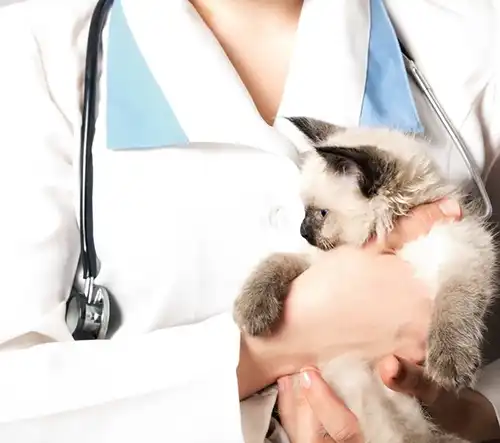


Hearing that your furry friend might need surgery can feel overwhelming. At Animal Care Clinic, your trusted Lexington, KY veterinary clinic, we understand how important it is to know when pet surgery is truly necessary and what it means for your pet’s health. The good news is that many procedures are routine, safe, and designed to improve your pet’s quality of life.
Pet surgery is often recommended when other treatments are insufficient or when a condition requires direct correction. Whether you are concerned about common pet surgeries or wondering when your pet needs surgery, this guide will walk you through the signs, procedures, and what to expect before and after care in Fayette County, KY.
Why Would a Pet Need Surgery?
Surgery isn’t usually the first thing we reach for, but sometimes it’s the best way to help your pet feel better or manage a health issue. Your vet will only suggest surgery if it’s truly in your furry friend’s best interest.
Some things need to be taken care of right away, while others can be planned. Surgery can help with everything from treating injuries and removing lumps to addressing internal problems and improving your pet’s comfort.
Before recommending any surgery, your veterinary team will give your pet a thorough check-up to make sure it’s the right choice.
Common Pet Surgeries
Many procedures performed at a veterinary clinic are considered routine and are commonly recommended for pets throughout their lives.
Spay and Neuter Procedures
Spaying and neutering are among the most common pet surgeries. These procedures help prevent unwanted litters and support long-term health.
They are typically performed when pets are young, but your veterinarian can advise on the best timing for your canine companion or feline friend.
Mass Removal
If your pet develops a lump or bump, your veterinarian may recommend surgical removal. This allows for further evaluation and helps prevent potential complications.
Dental Surgery
In some cases, advanced dental disease requires surgical intervention. This may involve removing damaged teeth to relieve pain and restore oral health.
Injury Repair
Accidents can happen, and surgery may be needed to repair fractures or wounds. Prompt veterinary care helps your pet recover more comfortably.
Signs Your Pet May Need Surgery
It is not always obvious when surgery is necessary, but certain signs may indicate that your pet needs further evaluation.
Persistent Pain or Discomfort
If your furry pal shows ongoing discomfort, such as limping or reluctance to move, it may signal a condition that requires surgical care.
Pain that does not improve with other treatments is often a key factor in determining when pets need surgery.
Changes in Behavior or Appetite
A decrease in appetite or noticeable behavioral changes can indicate underlying issues. Your pet may become less active or avoid interaction.
These signs may indicate internal concerns that may require veterinary surgical services.
Visible Growths or Swelling
If you spot any lumps, bumps, or swelling, it’s always a good idea to have your vet take a look. Not every growth needs surgery, but some do need to be removed so we can check them properly.
Catching things early helps us figure out the best way to help your pet.
Difficulty Moving or Breathing
If your pet is having trouble walking, jumping, or breathing, don’t wait—get them checked out by your vet as soon as possible. These symptoms can sometimes mean surgery is needed.
What Happens Before Surgery?
Getting ready for surgery means taking a few important steps to ensure your pet is ready for their procedure.
Your vet will give your pet a good once-over and might suggest tests to assess their overall health and identify potential risks.
You’ll get clear instructions on how to prepare your pet, including when to feed them and what to expect on surgery day.
Your veterinary team is always happy to answer your questions and make sure you feel comfortable every step of the way.
What to Expect During Surgery
Your pet’s safety is always our top priority during surgery. We keep a close eye on them the entire time to ensure everything goes smoothly.
With modern tools and techniques, vets can do surgeries with great precision. We closely monitor your pet’s vital signs to keep them stable and safe.
It’s always a bit nerve-wracking to hand your pet over for surgery, but knowing they’re in caring hands can help you feel a little more at ease.
Pet Surgery Recovery Care
Recovery is just as important as the surgery itself. Good aftercare helps your furry bestie heal up and get back to their usual antics.
Creating a Calm Environment
After surgery, your pet will need a cozy, quiet spot to rest. Keeping them calm and limiting activity helps them heal up nicely.
Monitoring for Changes
Keep an eye on your pet’s behavior and incision site. If you notice swelling, redness, or unusual behavior, contact your veterinary clinic.
Following Veterinary Instructions
Your vet will give you clear aftercare instructions. Following them closely helps your pet bounce back smoothly and comfortably.
How to Know When Surgery Is the Best Option
Choosing surgery for your pet isn’t always easy. Your vet will walk you through the pros and cons so you can make the best choice for your furry friend.
Deciding if surgery is right means thinking about your pet’s condition, their quality of life, and how they’ve responded to other treatments. Keeping the conversation open with your vet helps you make the best call for your pet.
Good RX wrote about comforting your dog after surgery in this piece. PetMD also wrote about this here.
FAQ: Pet Surgery
How do I know if my pet needs surgery?
Your vet will recommend surgery if your pet’s symptoms or condition warrant it. Things like ongoing pain, new lumps, or trouble moving around can be signs that surgery might help.
Are common pet surgeries safe?
Most common pet surgeries are performed regularly and are very safe. Your vet team will keep a close watch on your pet to make sure everything goes smoothly.
How long does it take for a pet to recover from surgery?
How long it takes to recover depends on the type of surgery and your pet’s overall health. Your vet will let you know what to expect and how to help your pet heal up.
What should I do after my pet’s surgery?
Follow your veterinarian’s instructions closely, provide a calm environment, and monitor your pet for any changes. Contact your veterinary clinic if you have concerns.
Visit Our Lexington, KY Veterinary Clinic for Surgical Care
Understanding your pet’s health needs helps you feel more confident when facing important decisions. At Animal Care Clinic, your trusted veterinary clinic in Lexington, KY, we provide compassionate pet surgery in Lexington, KY, to support your pet’s well-being.
If you have been searching for a “vet near me” to guide you through your pet’s care, our team is here to help. Contact Animal Care Clinic in Fayette County, KY today to schedule an appointment and discuss your pet’s needs.
This blog is intended for informational purposes only. Always consult with your veterinarian for advice, diagnosis, and treatment tailored to your pet’s specific needs.
Want to find out more about our top-notch Lexington, KY animal hospital? Check our Services page here for an overview of the services we offer. For instance, you can learn more about the wellness care and vaccinations that keep your pet healthy here.


!Social Media Icons