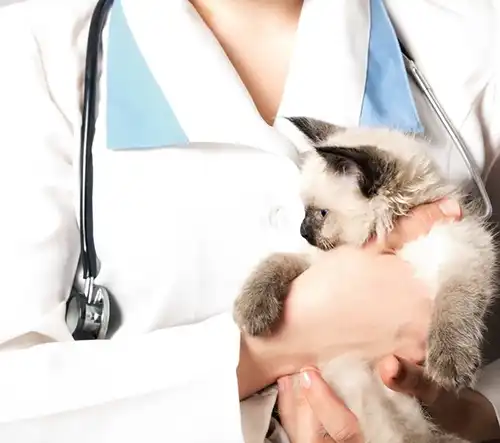


If you share your home with a rabbit, Guinea pig, or other pocket pet, you may already know that their needs differ from cats and dogs in important ways. One very important area is dental health. At Animal Care Clinic, our veterinarians in Fayette County, KY, regularly see pocket pets with dental problems. Many of these began quietly and progressed before obvious symptoms appeared. It’s not uncommon for people to be unaware of how much dental care these little guys need, so conditions can sometimes progress significantly before they are noticed. Understanding pocket pet dental care helps you protect your furry friend’s comfort, appetite, and long-term health.
Dental disease is one of the most common health issues affecting small mammals. Regular monitoring and veterinary care play a key role in prevention and early detection.
Why Dental Health Is Critical for Pocket Pets
Unlike dogs and cats, many pocket pets have continuously growing teeth throughout their lives. Rabbits and Guinea pigs, in particular, rely on proper dental care to keep their teeth at a healthy length and in alignment. When that balance is disrupted, dental disease can develop quickly.
Poor dental health can affect far more than the mouth. Overgrown or misaligned teeth may cause wounds inside the mouth, jaw infections, digestive problems, and chronic pain. Your Fayette County, KY, veterinary clinic can help identify dental concerns early, before they impact your pet’s overall well-being.
Understanding How Pocket Pet Teeth Grow
Rabbits, Guinea pigs, chinchillas, and other small herbivores have open-rooted teeth. This means their teeth never stop growing. Normal chewing motions, especially grinding fibrous foods, help keep teeth worn down evenly. In the wild, tough plants help grind those teeth down. Pets often have softer diets, which puts them at risk of dental problems.
When tooth wear becomes uneven, sharp points or elongated teeth may form. These changes can make eating uncomfortable or impossible, even if the problem is not visible from the outside. This is why pocket pet dental care requires both at-home observation and professional veterinary evaluation.
Common Dental Problems in Small Mammals
Dental issues vary by species but often share similar underlying causes.
Common problems include:
- Overgrown incisors
- Molar spurs that cut the tongue or cheeks
- Malocclusion, where teeth do not align properly
- Tooth root elongation affecting the jaw or eyes
- Abscesses related to dental infections
Dental disease is especially common and may progress rapidly without intervention. Subtle changes can quickly affect your pet’s appetite and digestion.
Signs of Dental Disease in Pocket Pets
Because pocket pets tend to mask pain, behavioral changes are often the first clue that something is wrong. Knowing what to watch for is key.
Signs may include:
- Dropping food or difficulty chewing
- Decreased appetite or selective eating
- Weight loss
- Excessive drooling or wet fur around the mouth
- Reduced grooming
- Facial swelling or discharge from the eyes
If you notice any of these signs, contact your vet right away.
The Role of Diet in Dental Health
Diet plays a central role in pocket pet dental care. For many small mammals, constant access to appropriate hay, such as Timothy hay, is crucial, as it supports natural tooth wear. Chewing fibrous materials will help grind down those molars and incisors.
Balanced nutrition also supports jaw strength and digestive health. While diet alone cannot prevent all dental issues, improper feeding practices significantly increase the risk of dental problems. Your veterinary clinic can help you evaluate whether your pet’s current diet is appropriate.
Why At-Home Checks Are Not Enough
While you may be able to see your pocket pet’s front teeth, most dental problems occur in the back of the mouth. Molar issues are rarely visible without specialized equipment and training.
Routine veterinary exams allow your vet to assess tooth alignment, jaw structure, and early changes that could signal developing problems. Regular exams are crucial for small pets like rabbits and Guinea pigs, as they are prone to dental disease even with excellent home care.
Veterinary Dental Exams for Pocket Pets
A professional dental evaluation at an animal hospital involves more than a quick look at the mouth. Your veterinarian may assess things like your pet’s weight, jaw movement, facial symmetry, and eating behavior.
In some cases, sedation may be recommended to safely and thoroughly examine the back teeth. While this may sound concerning, it enables accurate diagnosis and reduces stress for your small mammal. Your Fayette County, KY vet will discuss the safest approach for your specific pet.
Treating Dental Disease in Small Mammals
Treatment depends on the type and severity of the dental issue. Some conditions may require periodic tooth trimming, while others involve addressing underlying alignment problems or infections.
Small mammal dentistry often focuses on:
- Restoring and promoting comfortable chewing
- Preventing further injury inside the mouth
- Managing pain and inflammation
- Supporting normal eating and digestion
Early intervention generally leads to better outcomes and helps preserve quality of life.
Preventive Care for Long-Term Oral Health
Preventing dental disease involves a combination of proper diet, regular monitoring, and veterinary care. Choosing a vet that is experienced in exotic and pocket pets is crucial. Remember, good care calls for proactive health management.
Preventive strategies include:
- Routine wellness exams
- Weight monitoring
- Dietary guidance tailored to species
- Early evaluation of subtle behavior changes
These steps help identify concerns before they become emergencies.
Dental Care for Different Types of Pocket Pets
Remember, rabbits and Guinea pigs aren’t the only small animals that need dental care. Other pocket pets also benefit from dental monitoring. Chinchillas, degus, and some rodents share similar tooth growth patterns and risks.
Each species has unique needs, which is why individualized care from a knowledgeable veterinarian is essential. Your Fayette County, Kentucky, veterinary clinic can offer advice tailored to your pet’s species and lifestyle.
When to Contact Your Veterinarian
Any change in eating habits, behavior, or appearance should be taken seriously. Pocket pets can decline quickly when dental issues interfere with nutrition.
If you are unsure whether a symptom is related to dental health, reaching out to your vet for guidance is always appropriate. Early conversations and corrections can often prevent painful and complex problems.
Read all about dental diseases in Guinea pigs in an article by PetMD, which you can read here. Pet MD also wrote about caring for rabbit teeth here.
FAQ
How often should I schedule dental exams for my pocket pets?
Regular exams are recommended at least every 6–12 months, but pets prone to dental issues, such as rabbits and Guinea pigs, may need more frequent checkups. Your Fayette County, KY veterinarian can recommend a schedule tailored to your pet’s needs.
What are common signs of dental problems in pocket pets?
Look for decreased appetite, drooling, weight loss, difficulty chewing, facial swelling, or behavioral changes. Even subtle signs can indicate serious dental issues that require veterinary attention.
Can I trim my rabbit or Guinea pig’s teeth at home?
No. Improper trimming can cause pain, infection, or permanent damage. A trained veterinarian should always perform dental care to ensure safety and proper technique.
How can I prevent dental issues in small mammals?
A high-fiber diet, such as hay for rabbits and Guinea pigs, helps naturally wear down teeth. Providing chew toys and monitoring eating habits supports oral health between veterinary visits.
When should I contact my veterinarian about dental issues?
Schedule an appointment immediately if you notice sudden loss of appetite, drooling, visible overgrown teeth, or swelling around the mouth. Early intervention improves outcomes and comfort for your furry friends.
Contact Our Fayette County, KY Veterinary Clinic
Dental care is vital for keeping rabbits, Guinea pigs, and other pocket pets healthy and comfortable. Our veterinarians at Animal Care Clinic in Fayette County, KY, are happy to offer top-notch dental care for pocket pets and small mammals. If you are searching for a vet near you who understands the needs of exotic and pocket pets, we invite you to schedule an appointment with our veterinary clinic. Routine exams and early care help your tiny furry friend enjoy a happier, healthier life.
This blog is intended for informational purposes only. Always consult with your veterinarian for proper diagnosis, treatment recommendations, and medical advice tailored to your pet’s specific needs.
Want to read more about our top-notch Lexington, KY animal hospital? Check our Services page here for an overview of the services we offer. For instance, you can learn more about the wellness care and vaccinations that keep your pet healthy here. You can also find out more about our Wellness plans here.


!Social Media Icons