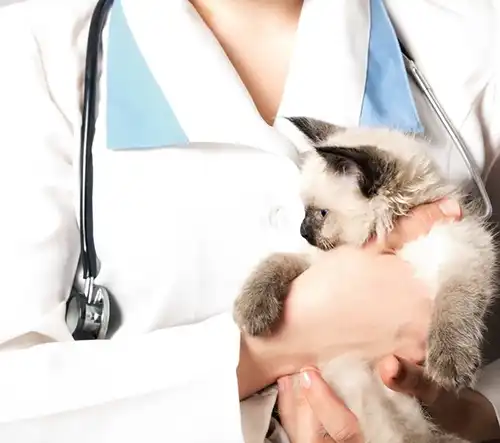


Cats are agile and independent, but even the nimblest feline pal can suffer traumatic injuries. Kitties are a bit accident-prone and vulnerable to falls, car accidents, and fractures. If your kitty has experienced a serious injury, a timely veterinary evaluation is essential. At Animal Care Clinic, your Fayette County, KY veterinary clinic, our vets specialize in feline orthopedic surgery to help cats recover safely from fractures, joint injuries, and other orthopedic conditions.
This blog explores feline orthopedic surgery, cat fracture repair, orthopedic injury in cats, and feline surgery options. Our Fayette County, KY, veterinarians provide insights into surgical treatments, recovery, and post-operative care tailored to cats.
Common Reasons Cats Need Orthopedic Surgery
Feline orthopedic surgery is often required after traumatic injuries that compromise bones or joints. Common causes include:
- Falls from heights, also known as “high-rise syndrome.”
- Motor vehicle accidents or impacts
- Severe joint dislocations or ligament injuries
- Complex fractures of the limbs or pelvis
Your Fayette County, K, veterinary clinic emphasizes that early intervention improves outcomes, reduces pain, and helps your feline friend regain mobility.
Types of Feline Orthopedic Surgery
Several surgical techniques are available depending on the type and severity of the injury:
- Fracture Repair: Involves plates, pins, or external fixation to stabilize broken bones
- Femoral Head Ostectomy (FHO): Removal of the femoral head to relieve hip joint pain
- Joint Stabilization Procedures: Repair of ligaments or tendons following dislocations or tears
- Bone Grafting: Used in severe fractures to support healing
Your Fayette County, KY veterinarians select the approach best suited to your cat’s specific injury, age, and overall health.
Preparing Your Cat for Surgery
Preparation before feline orthopedic surgery involves both medical evaluation and logistical planning:
- Comprehensive physical exam and imaging to assess injuries
- Pre-anesthetic blood work to evaluate organ function and overall health
- Discussion of anesthesia, surgical risks, and post-operative care
- Arranging a safe and comfortable space at home for recovery
Proper preparation helps reduce stress for your feline pal and ensures the surgical team can provide optimal care.
Post-Surgery Recovery and Care
Recovery from orthopedic surgery requires careful management and support:
Environmental modifications include providing soft bedding, creating confined spaces, and strategically placing litter to facilitate ease of movement. Follow-up visits involve regular check-ups to monitor healing, remove sutures, and assess mobility.
Your Fayette County, KY veterinarians provide guidance on adjusting your cat’s routine to support safe recovery and promote healing.
Supporting Mobility and Comfort
Cats recovering from orthopedic surgery may require gradual reintroduction to normal activity. Gentle play, supervised movement, and encouragement help maintain muscle tone without overexertion. Monitoring behavior and appetite is also important, as changes can indicate discomfort or complications.
Fun Facts About Feline Orthopedic Surgery
- Cats often hide pain, so subtle signs like limping or reluctance to jump are important to monitor.
- Recovery time varies widely depending on the type of injury, age, and overall health.
- Many cats regain near-normal mobility with timely surgical intervention and proper post-operative care.
Awareness of these factors helps pet parents provide attentive care during the recovery process.
Of course, the most common surgery for cats is spay/neuter, which we strongly recommend. The American Humane Society did a piece on helping your pet recover, which is here. The UK site Cats.org also wrote about this here.
FAQs About Feline Orthopedic Surgery
How long does recovery take after orthopedic surgery?
Recovery can range from several weeks to a few months, depending on the injury type and the procedure performed.
Is surgery painful for cats?
Pain is managed with veterinary-prescribed medications, and most cats tolerate the procedure well.
Can cats fully regain mobility after surgery?
Yes, with appropriate surgical intervention and post-operative care, many cats return to normal or near-normal activity levels.
How can I support my cat at home during recovery?
Provide a quiet, comfortable space, restrict activity, administer prescribed medications, and monitor your feline companion’s behavior and appetite.
Visit Our Fayette County, KY Veterinary Clinic for Feline Orthopedic Care
Feline orthopedic surgery can be life-changing for cats recovering from traumatic injuries, helping them regain mobility and comfort. At Animal Care Clinic, our Fayette County, KY veterinary clinic provides expert assessment, surgical care, and post-surgical recovery guidance for feline fracture repair and orthopedic injuries. If you are searching online for a vet near me or a trusted veterinary clinic in Fayette County, KY, contact us today. Schedule a consultation to discuss the best surgical options for your kitty.
This blog is intended for informational purposes only. Always consult with your veterinarian for proper medical advice, diagnosis, or treatment options for your feline companion, and follow their professional guidance.
Want to find out more about our top-notch Lexington, KY animal hospital? Check our Services page here for an overview of the services we offer. You can also go here to find out more about our grooming options, or go here to find out more about our feline-focused care.


!Social Media Icons