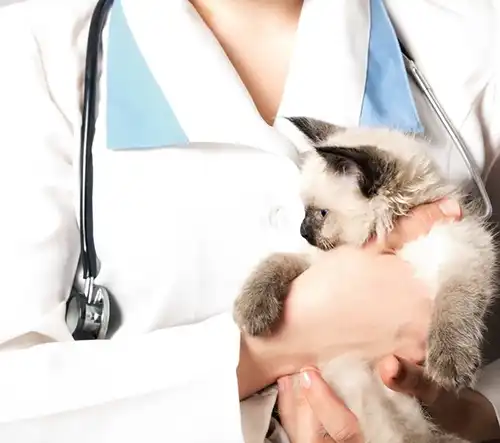


Has your feline friend been flinching when you touch her face? Is she dribbling while eating or avoiding her favorite crunchy treats? These subtle signals can indicate dental discomfort, which is surprisingly common in cats. At Animal Care Clinic, your Fayette County, KY veterinary clinic, our veterinarians frequently see cases of cats in need of dental care. Professional cleanings are critical to maintaining overall feline health. Regular dental care helps to prevent pain, infection, and other serious health problems that might otherwise go undetected.
In this blog, we will look at the importance of cat dental care, specifically feline dental cleaning, cat oral health, and the role of professional pet dentistry in cats. Our Fayette County, KY veterinarians want you to be confident in recognizing signs of dental problems in your feline companion and knowing when to take them to a reputable veterinarian for a professional examination.
Understanding Cat Dental Care
Cats have delicate mouths, and their oral health is often overlooked in favor of that of dogs. Plaque and tartar can accumulate in otherwise healthy cats, causing gum inflammation, tooth decay, and periodontal disease. Cat dental care includes both at-home maintenance and professional veterinary cleanings, which help to mitigate these risks.
Feline dental cleaning is more than a cosmetic procedure; it removes tartar from beneath the gumline, where plaque can cause infection and damage to the supporting structures of the teeth. Without regular cleanings, your feline friend may experience discomfort that affects eating, play, and general behavior.
Why Cat Oral Health Matters
Oral health is closely linked to overall well-being in cats. Dental disease can contribute to systemic health problems, affecting organs such as the heart, kidneys, and liver. Regular veterinary oversight ensures that oral issues are identified before they progress and impact your feline companion’s overall health.
Cats are known for masking pain, which makes routine checkups critical. Even if your kitty is eating and acting normally, underlying issues can still exist. Our Fayette County, KY veterinarians promote proactive cat dental care to reduce discomfort and improve quality of life.
Signs Your Cat May Need a Dental Cleaning
Recognizing signs of dental disease in cats can be challenging. Some common indicators include:
- Bad breath that persists even after eating
- Red, swollen, or bleeding gums
- Drooling or pawing at the mouth
- Reduced appetite or preference for soft food
- Reluctance to play with chew toys
Behavioral changes, such as irritability, decreased grooming, or hiding, may also indicate oral discomfort. If you spot these symptoms, it’s probably time to schedule a professional examination with your veterinarian.
How Feline Dental Cleaning is Performed
Professional feline dental cleaning typically occurs under anesthesia, allowing your veterinarian to thoroughly examine and clean the teeth. The process includes removing plaque and tartar, polishing teeth, and sometimes taking dental X-rays to identify hidden problems.
Your vet may also address issues like fractured teeth, oral masses, or advanced periodontal disease during the cleaning. These interventions improve comfort and reduce the risk of more serious systemic health complications.
Benefits of Regular Cat Dental Care
Regular professional cleanings offer multiple benefits:
- Reduce the risk of periodontal disease
- Minimize oral pain and discomfort.
- Detect early signs of tooth and gum problems.
- Support overall systemic health.
By incorporating both professional cleanings and at-home care, you can help your feline companion maintain optimal cat oral health throughout their life.
Supporting Cat Oral Health at Home
At-home maintenance complements professional care and helps extend the benefits between veterinary visits. Brushing your feline friend’s teeth, offering dental-friendly toys, and monitoring eating habits are all effective strategies. Start gradually to make brushing a positive experience, using treats and gentle encouragement.
Even small actions, like providing textured toys or regular observation of your kitty’s mouth, can make a difference. Your Fayette County, KY veterinarians can provide guidance tailored to your cat’s needs and personality.
Fun Facts About Feline Dental Health
- Cats have fewer teeth than dogs, with 30 permanent teeth compared to a dog’s 42, yet they are still susceptible to significant oral issues.
- Plaque forms quickly, often within hours, which is why both at-home and professional care are essential.
- Some cats develop resorptive lesions, a painful condition that can only be detected during a professional dental exam.
Understanding these facts highlights the importance of regular veterinary attention for maintaining oral health in cats.
When to Schedule a Cat Dental Exam
Routine wellness exams provide opportunities for veterinarians to check your feline pal’s mouth and discuss at-home care strategies. Cats typically benefit from annual dental evaluations, though some may require more frequent cleanings based on age, breed, and previous oral health history.
Your Fayette County, KY, veterinary clinic can help you create a schedule that balances professional cleanings with preventive at-home care, keeping your feline companion comfortable and healthy.
You can read some fun facts about Fluffy’s teeth over at the PetMD website here. They also wrote about feline dental issues here.
FAQs About Cat Dental Care
How often should cats have professional dental cleanings?
Most cats benefit from annual cleanings, but your veterinarian may recommend more frequent care depending on oral health status and risk factors.
Is anesthesia safe for my cat during a dental cleaning?
Yes, veterinarians carefully monitor cats during anesthesia to ensure safety. Modern protocols make professional dental care safe and effective.
Can I brush my cat’s teeth at home?
Yes, with patience and proper technique, brushing your feline pal’s teeth can reduce plaque buildup and support professional dental efforts.
What happens if dental disease is left untreated in cats?
Untreated dental disease can lead to pain, infection, and systemic health issues affecting organs such as the heart and kidneys.
Visit Our Fayette County, KY Veterinary Clinic for Cat Dental Care
Dental care is a crucial aspect of maintaining your feline companion’s health and comfort. At Animal Care Clinic, our Fayette County, KY vets provide compassionate and thorough care tailored to your kitty’s needs. If you are searching for a vet near me or a trusted veterinary clinic in Fayette County, KY, contact our team today. Schedule an appointment to discuss professional cleanings and strategies to support your feline friend’s oral health.
This blog is intended for informational purposes only. Always consult with your veterinarian for proper medical advice, diagnosis, or treatment options for your cat, and follow their professional guidance.
Want to find out more about our top-notch Lexington, KY animal hospital? Check our Services page here for an overview of the services we offer. For instance, you can learn more about the wellness care and vaccinations that keep your pet healthy here.


!Social Media Icons